
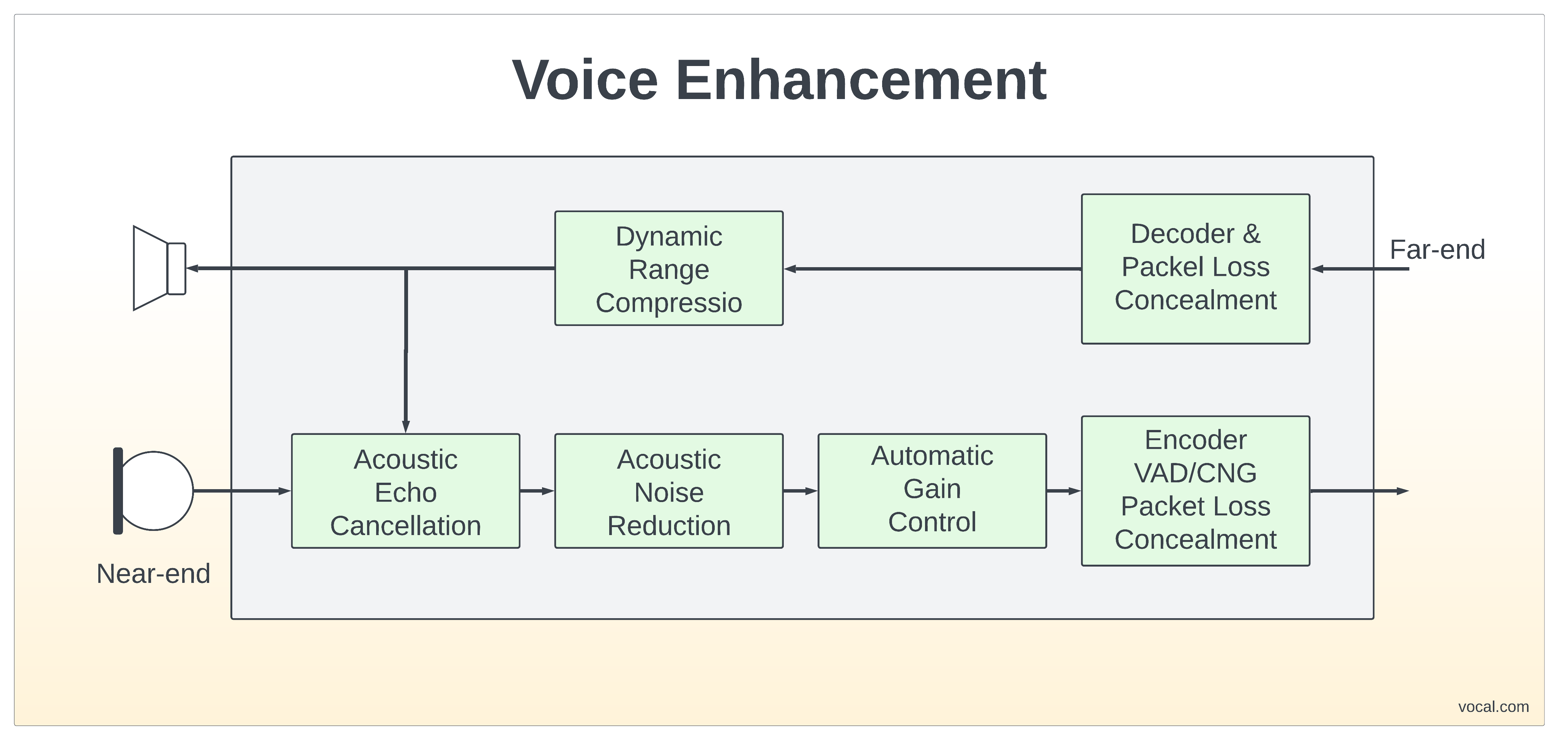
Voice Quality Enhancement (VQE) software is a collection of signal processing algorithms, all designed to improve the speech quality and intelligibility of a voice signal. VOCAL’s Voice Enhancement software is offered as customizable suite of modules, expertly combined to provide the best performance for a given set of requirements. The VQE SDK is designed for numerous voice and audio applications including:
- Voice & Video Conferencing
- Mobile, VoIP & Radio
- Speakerphones & Intercoms
- Speech recognition
VOCAL’s voice enhancement software library is modular and optimized for DSPs and conventional processors from TI, ADI, ARM, Intel and other leading vendors. Our expertise in design, implementation and configuration of mobile, network and telephony solutions will help you bring your voice application to market quickly and efficiently. Contact us to discuss your voice application and platform requirements with our engineering staff.


Voice Quality Enhancement System
An integrated approach for voicing software is required in full-duplex hands-free communication systems where acoustic echo, background noise and reverberation cause significantly degradation to the quality of the voice signal. The key to integrating a VQE solution is to put the echo cancellation, dereverberation, noise reduction, voice activity detection, beamforming and other algorithms together in such a way that maximizes speech enhancement for a particular application. The sections below provide more information on the major components of a Voice Enhancement solution.
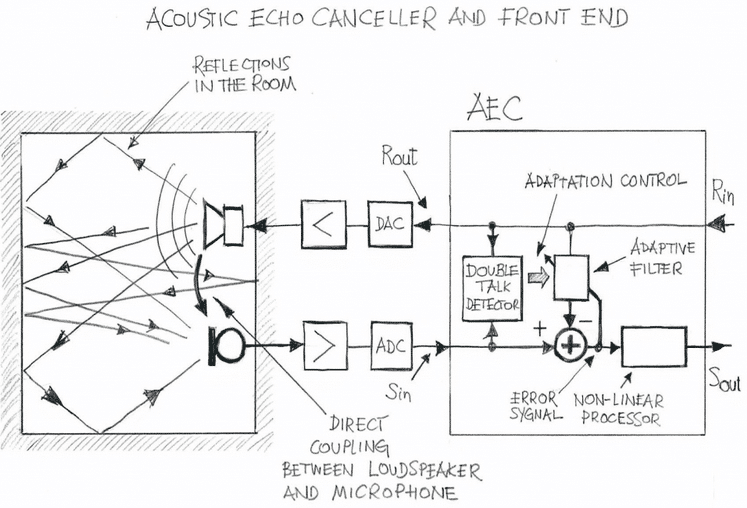
Acoustic Echo Cancellation (AEC)
VOCAL’s Acoustic Echo Cancellers operate on the digitally sampled audio signals of the communication device. Acoustic echo cancellation is an essential part of voice quality enhancement in any form of voice communication.
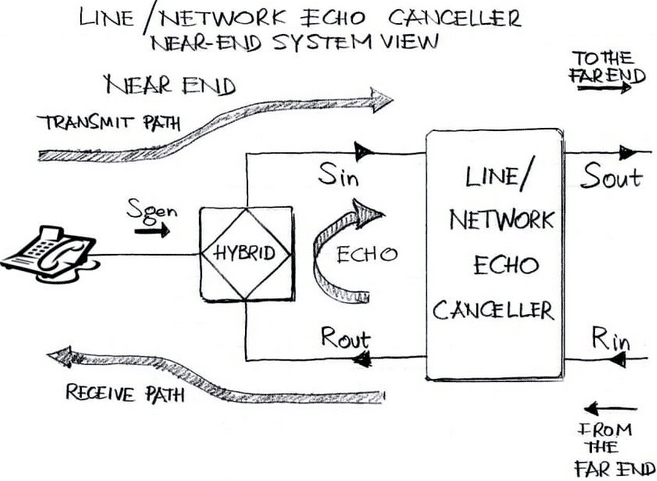
Line/Network Echo Canceller (LEC/NEC)
Line/Network Echo Cancellers are voice operated devices placed in the 4-wire portion of a circuit to reduce echo for speech enhancement.
Acoustic Noise Reduction (ANR)
VOCAL’s Acoustic Noise Reduction software provides voice quality enhancement by adaptively reducing background noise and effectively increasing the signal to noise ratio of the speech signal.
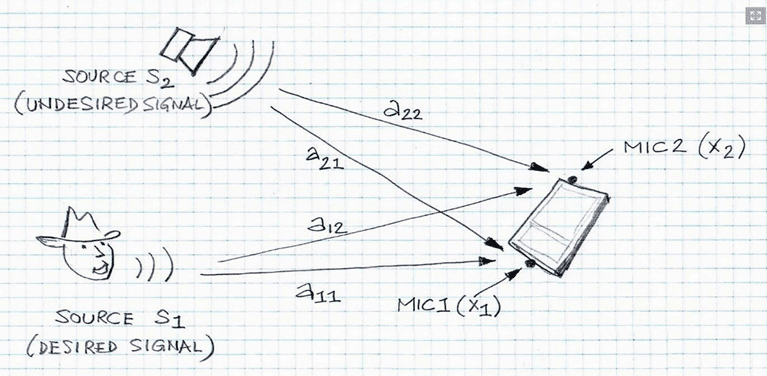
Acoustic Beamforming
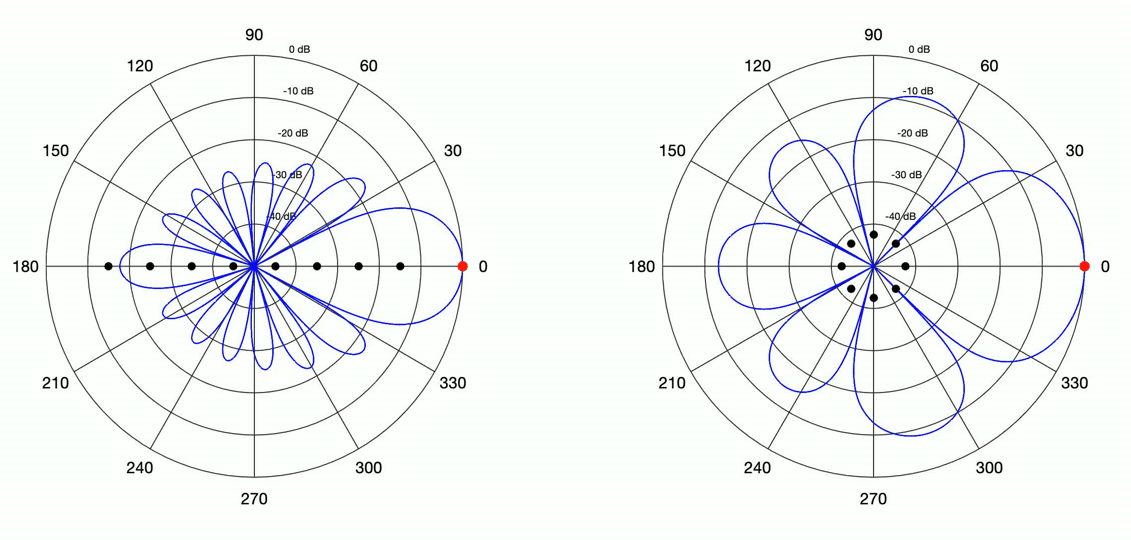
When ANR is used with a microphone array, VOCAL’s near field acoustic beamforming algorithms isolate the speaker source to filter out signals originating from different locations and provide noise reduction and interference suppression in the acquired signal.
Automatic Gain Control
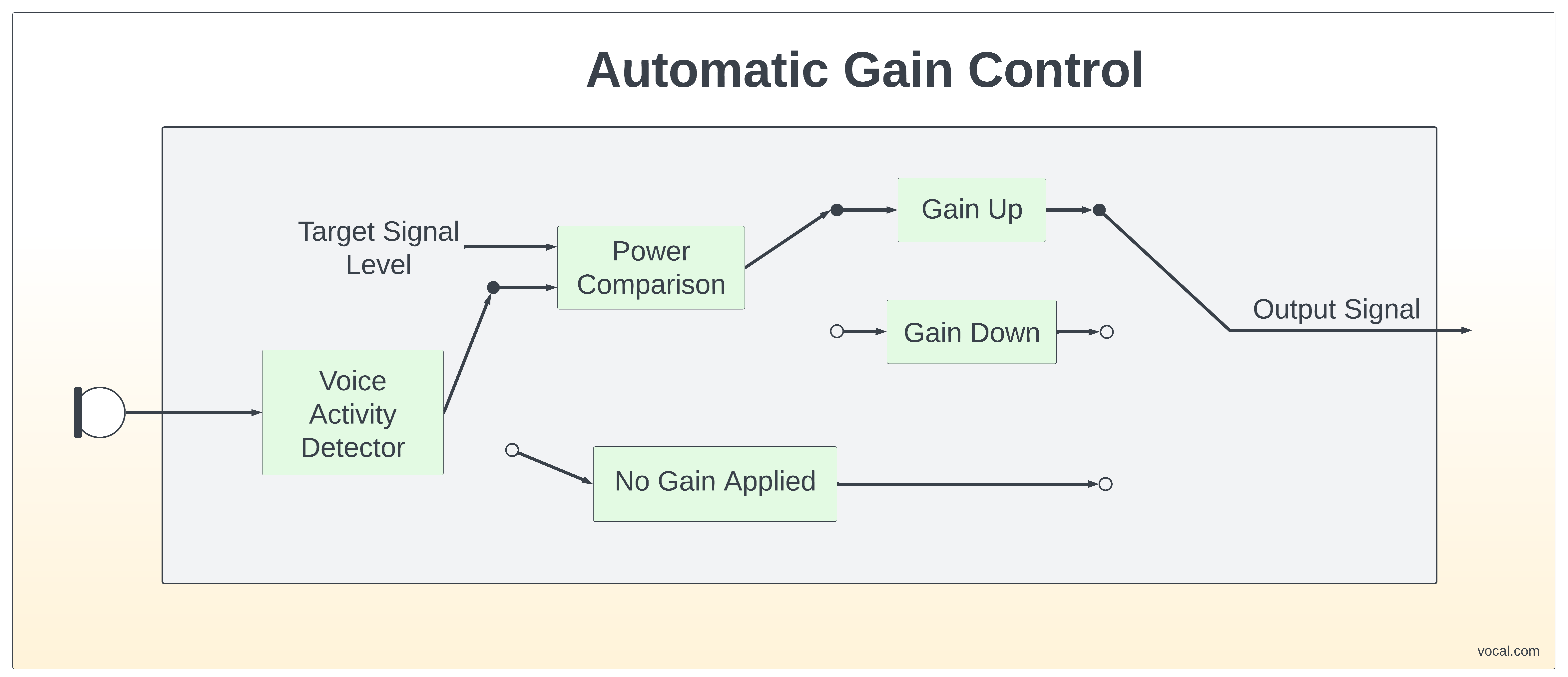
Automatic Gain Control (AGC) is typically one of the last Voice Quality Enhancement (VQE) blocks of the transmit path of the microphone signal. A wide dynamic range of input speech levels can be difficult and tiresome to the listener on the far-end.
In environments where the input speech level is expected to vary significantly, AGC is used keep a constant recording volume regardless of the input signal level.

VOCAL’s solution is available for the above platforms. Please contact us for specific supported platforms.